You're Using AI. You're Not Getting Value From It.
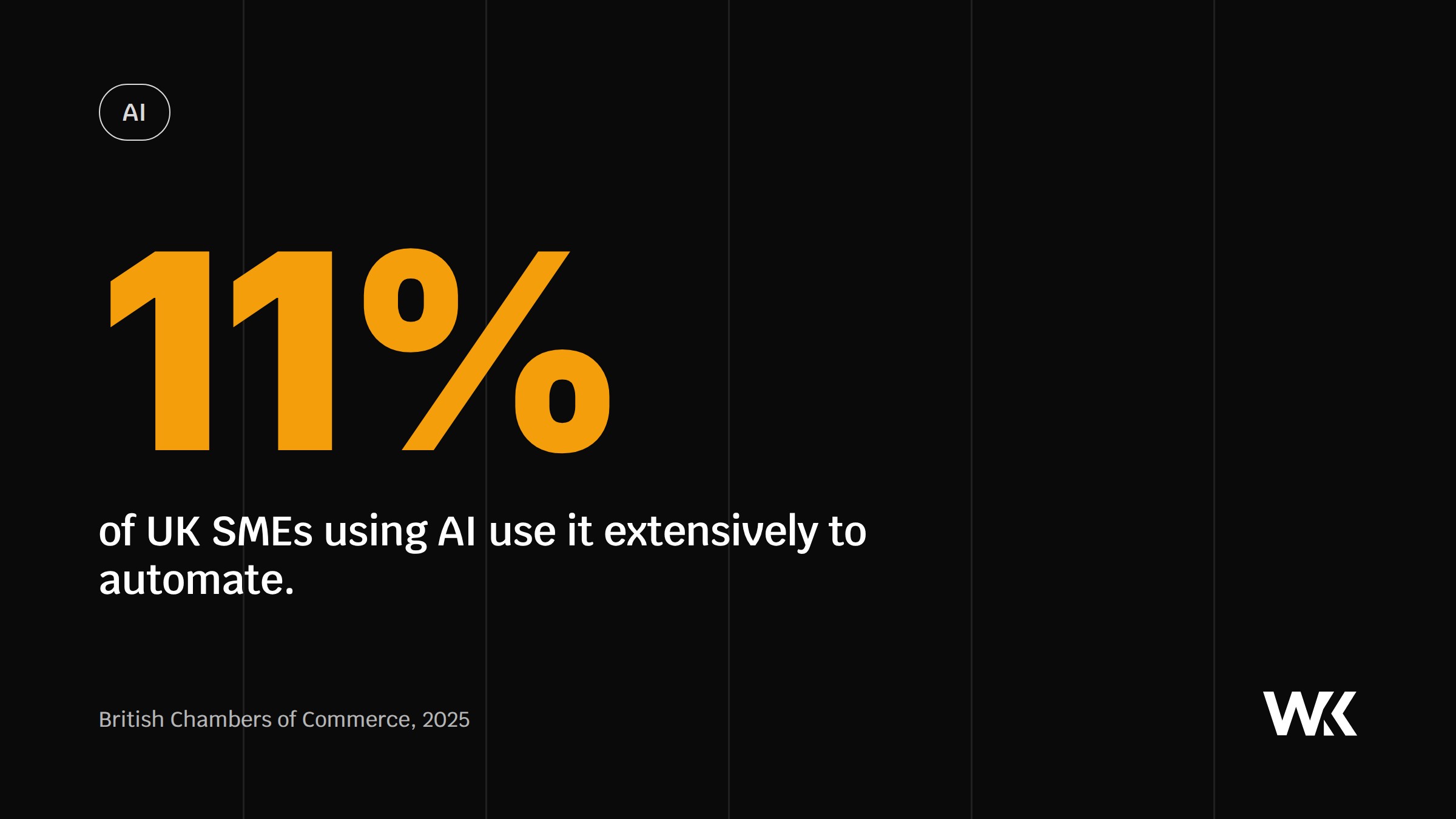
35% of UK SMEs now use AI, but only 11% of those use it extensively to automate. Why the tools are not paying off yet, and three things to fix first.
Author
Posted
Reading Time
In this article
Most businesses using AI aren't getting much from it yet. The British Chambers of Commerce found 35% of UK SMEs now use AI, but only 11% of those use it extensively to automate or streamline their services. The gap isn't the tools. It's the processes, data and website underneath them.
Your team is using Copilot for emails. You've got a chatbot on the website. Someone mentioned AI in the last board meeting and nobody laughed. By most definitions, you're a digitally progressive business. So why hasn't anything fundamentally changed?
What do the numbers say about AI adoption?
The BCC's 2025 research found that 35% of UK SMEs are actively using AI, up from 25% in 2024. That's a meaningful shift in a short time. But the same data shows only 11% of those businesses deploying AI extensively to automate or streamline services.
The rest are experimenting. They've added tools and use them for content drafts, admin shortcuts and the occasional research task. Useful, but rarely transformative.
The BCC names the reasons: fragmented tools, inconsistent processes, unstructured data, and genuine uncertainty about where to deploy AI. That isn't a technology problem. It's an operational one.
The gap between sectors is wide too. The same report puts AI adoption at 46% in B2B services against 26% in manufacturing. If your business sits in the lower group, you're competing for the same clients as firms whose operations already run faster than yours.
Where does this show up in your business?
The same pattern appears in how engineering firms, manufacturers and B2B businesses treat their websites. Many still behave like brochures rather than a way of bringing in enquiries.
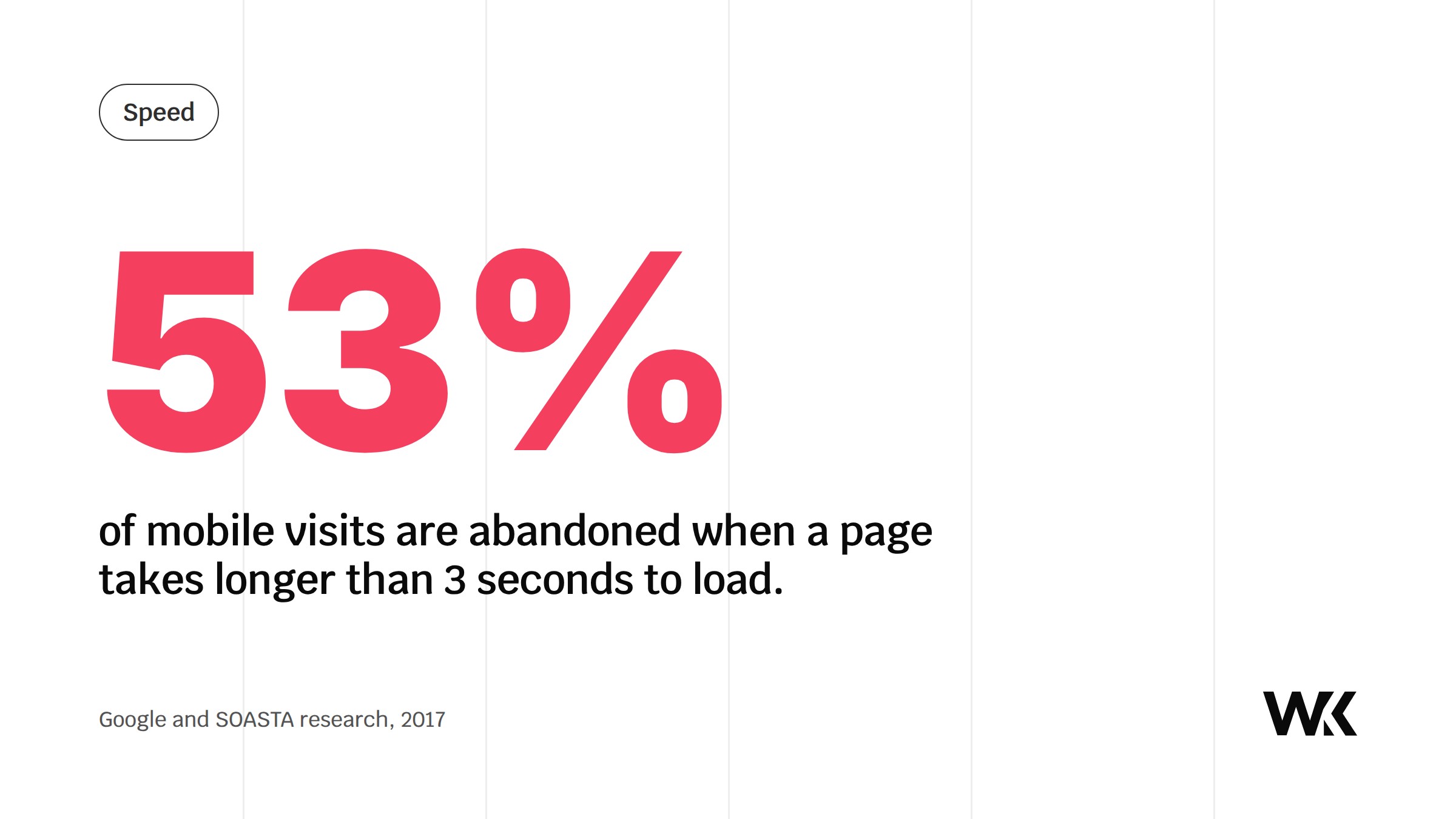
WhiteHat SEO's 2026 analysis puts numbers on it. Sites that load in one second convert three times better than those loading in five, and each second beyond two costs roughly 7% of conversions. It found that 81% of users abandon a form after starting it, and that landing pages with five or fewer fields convert 120% better than longer ones.
Those figures describe your contact form, your quote request page and your booking flow. Someone who lands on your site after a referral or a LinkedIn post, then meets a slow page and a seven-field form, is likely to leave.
What are most businesses getting wrong?
Adding tools to a broken process doesn't fix the process. It speeds up the broken parts.
An engineering firm that automates its email follow-up before sorting its CRM data will send more irrelevant emails, faster. A manufacturer that puts a chatbot on a slow, confusing website hasn't solved its conversion problem. It has decorated it.
The BCC puts it directly: "There is a widening divide between AI-ready firms and those struggling to keep pace." The firms pulling ahead aren't necessarily using more tools. They're using fewer, better, on cleaner foundations.
What should you fix first?
Audit the workflow before the tool. Before committing to any automation platform, map where time disappears in your sales or operations process: quote approval, lead follow-up, onboarding admin. Find the repeatable bottlenecks, then ask whether technology is the right fix. If you want to see what one of those jobs looks like automated, watch an automation run on your own business.
Treat your website as infrastructure. If your site loads slowly, your forms are long, and there's no way for a prospect to help themselves outside business hours, you're losing business you never see. WhiteHat's analysis found companies that respond to leads within five minutes are 21 times more likely to qualify them, against an average B2B response time of 42 hours without automation. A free health audit shows how your site performs today.
Start with data quality. AI and automation perform in direct proportion to the data they run on. If your CRM is full of duplicates, incomplete fields and contacts nobody has spoken to in two years, don't automate it yet. Clean it first, then build on it.
None of this needs a six-figure transformation project. Most of it needs half a day with the right person asking the right questions. If the tools aren't delivering, it probably isn't the tools. Get in touch and we'll work through it with you, or see how we approach automation and AI.
Tell us what you're building. We reply within a day.